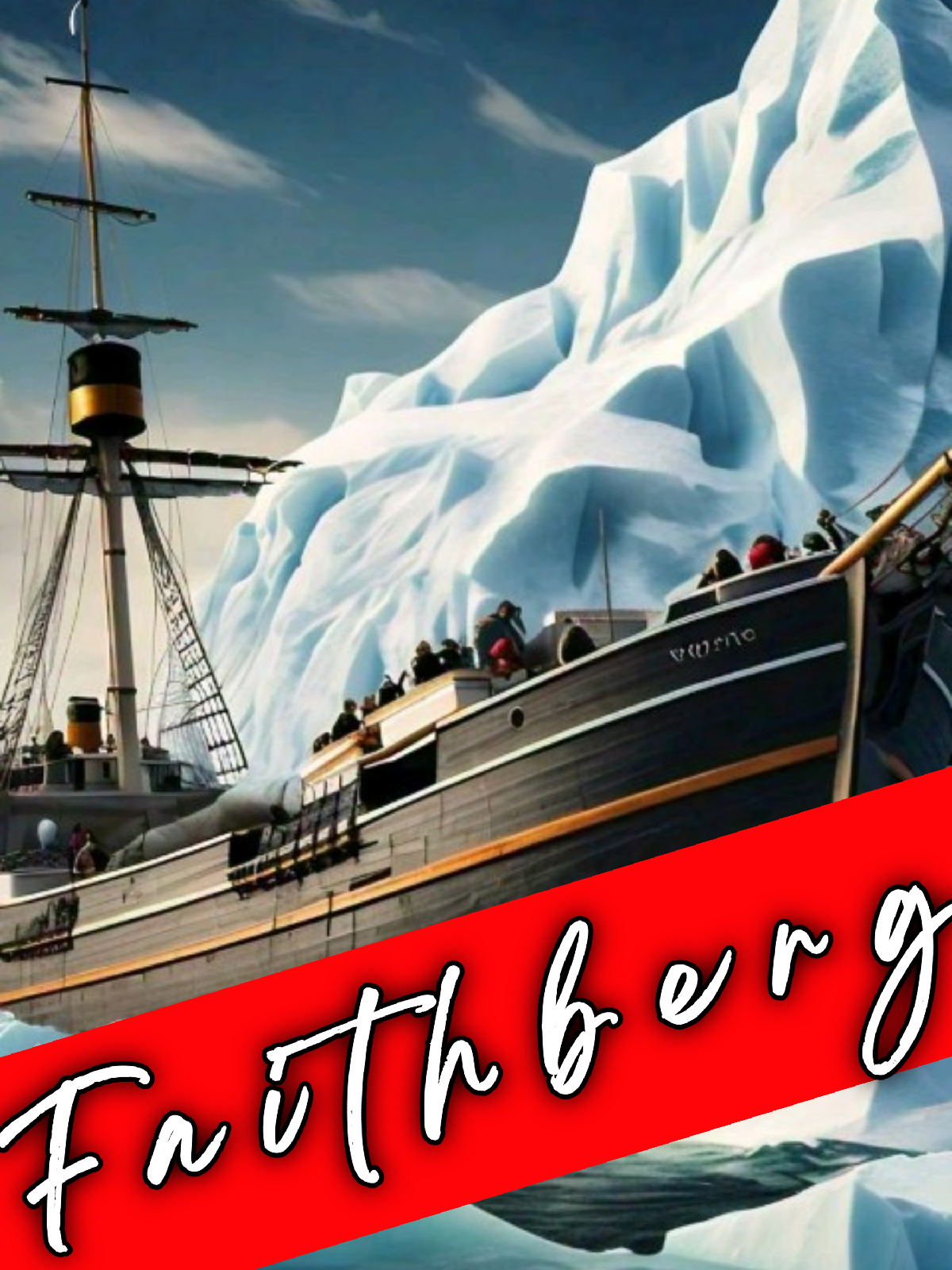
The Gigantic Voyager was a grand vessel, her sails billowing like the wings of a mighty albatross as she cruised through the cerulean waves of the North Atlantic. On board, twelve-year-old Rudolf stood by the ship's starboard, his heart filled with equal parts wonder and trepidation. Just before their journey, he'd been engrossed in the tale of the Titanic—a story that chilled him to his bones. His grandmother, Sheila, had noticed the concern in his eyes.
"Rudolf, my dear," she had said with a gentle but firm tone, "the sea is as fickle as it is beautiful. Dwelling on the past, especially such tragedies, may invite misfortune."
Rudolf had nodded, but the shadow of the Titanic lingered in his thoughts like a storm cloud on the horizon.
Days into their voyage, the sea that had been calm and inviting began to show adverse signs. The wind picked up, howling through the rigging, and the once-placid waves grew into towering swells that tossed the ship like a toy. The crew scrambled, reefing sails and securing lines, their shouts lost in the roar of the storm. Rudolf clung to the wooden rail, his knuckles white, while Sheila held him close, whispering words of comfort.
Suddenly, a monstrous wave crashed over the deck, sending a shudder through the Gigantic Voyager's hull. The ship listed dangerously to port, the world tilting as water flooded the deck. Panic spread among the passengers, their screams mingling with the shriek of the wind. It seemed that the very ocean sought to swallow them whole.
Just when all seemed lost, a grinding sound echoed through the ship, followed by a violent jolt. The Gigantic Voyager shuddered to a halt, and for a terrifying moment, silence reigned. The storm raged around them, but the ship no longer swayed with the waves. Rudolf dared to look over the edge and gasped in astonishment.
An iceberg, massive and glistening like a frozen fortress, had caught the ship in its icy grip. The very thing that had doomed the Titanic had now become the salvation of the Gigantic, wedging itself beneath the keel and preventing the ship from capsizing.
The storm raged on, but the ship remained secure, tethered to the iceberg as if by some unseen force. Rudolf’s fear slowly gave way to awe. The cold, harsh beauty of the ice contrasted with the wild fury of the sea around them. It was a paradox that left him speechless—a bitter reminder that the ocean, for all its wonders, held dangers beyond imagination.
As the storm subsided, the crew managed to free the ship from the iceberg’s hold. The Gigantic Voyager limped back to calmer waters, her sails tattered but her spirit unbroken. Rudolf stood at the bow, staring at the fading outline of the iceberg. His grandmother’s words echoed in his mind, but now, they carried a new meaning. What once was a symbol of tragedy had, for them, become a beacon of hope!
What would you call this—sheer coincidence or queer luck? Won't it be so unbelievable to say that an iceberg would have become a lifesaver? Tell that to any survivor of the Titanic mishap, and notice how appalling this could be. Were it to have happened, it would have become the greatest miracle in modern history, capable of dwarfing the horrific narratives of the Titanic's destruction.
And yet, the entire world has witnessed a greater miracle than this hypothetical one. In A.D. 33 or thereabouts, the brightest and most promising son of a Hebrew couple died a terrible death at the prime age of thirty-three. To that family, it was the greatest tragedy of their lives, which they might not have recovered from, but more than two thousand years later, that tragedy has now become the greatest miracle the world has ever witnessed.

It was the miracle of a creator sacrificially giving his life for his creatures to save them from eternal destruction—the best exchange in history and the most faultless wisdom ever. What stood at Golgotha as a tool for executing a death sentence has now become a universal symbol of salvation for millions—the cross of Calvary. On it, Jesus, the only saviour of the world, was crucified, bled, and died, and by that singular act, charted a straight course to the Father.
Now we have the boldness to approach God as sons without fear or reservation. Christ is now our faith; he anchors us, providing rescue and stability at the same time. Salvation from sin now leads to an assurance of eternal life, which is the best life insurance I've ever heard of—something that keeps you going forever. This berg isn't something you come across randomly or encounter by luck; it was a deliberate pre-design by God.
This means that this Faithberg must always be in your ship all through your voyage because, in his presence, the fiercest tempest bows. His disciples were unaware of this reality when they faced a similar challenge, but as soon as he was called upon, he rebuked the raging storm, and the aftermath was a great calm.
You also might have been experiencing some severe upheavals in and around your life, or you constantly feel so dark, lost, and empty. Look no further for that salvation because it is right there within your reach. Grab this golden opportunity with both hands and invite Faithberg into your 'Voyager' and watch how he will effortlessly calm that stormy situation. He is waiting with open arms, ready to receive anyone who calls on him for help. Will you reach out to him today?
If you choose to decide for Jesus, pray this prayer:
Lord Jesus, I call on you today. I acknowledge that I'm a sinner who has come short of your glory. I now believe you were sent by God to save me from my sins. I accept you as my Lord and Saviour today. Please forgive me and enlist my name in your book of life. Thank you, Jesus!
Congratulations if you just said this prayer; you have now become a son of God and a full-fledged member of God's family. The next step is to join a bible-believing church around you where you will be grounded in the faith. If you are in need of more help, contact us.
07083815148
olorunwafaith98@gmail.com
Comments
Post a Comment